- by Gabriel Voorhees
Dry Docked, Not Done: Designed for the Sea, Prepared in the Stillness
I was sitting with some friends recently, talking honestly—maybe even complaining a little—about the state of the Church. And an image came to mind from my friend Somer.
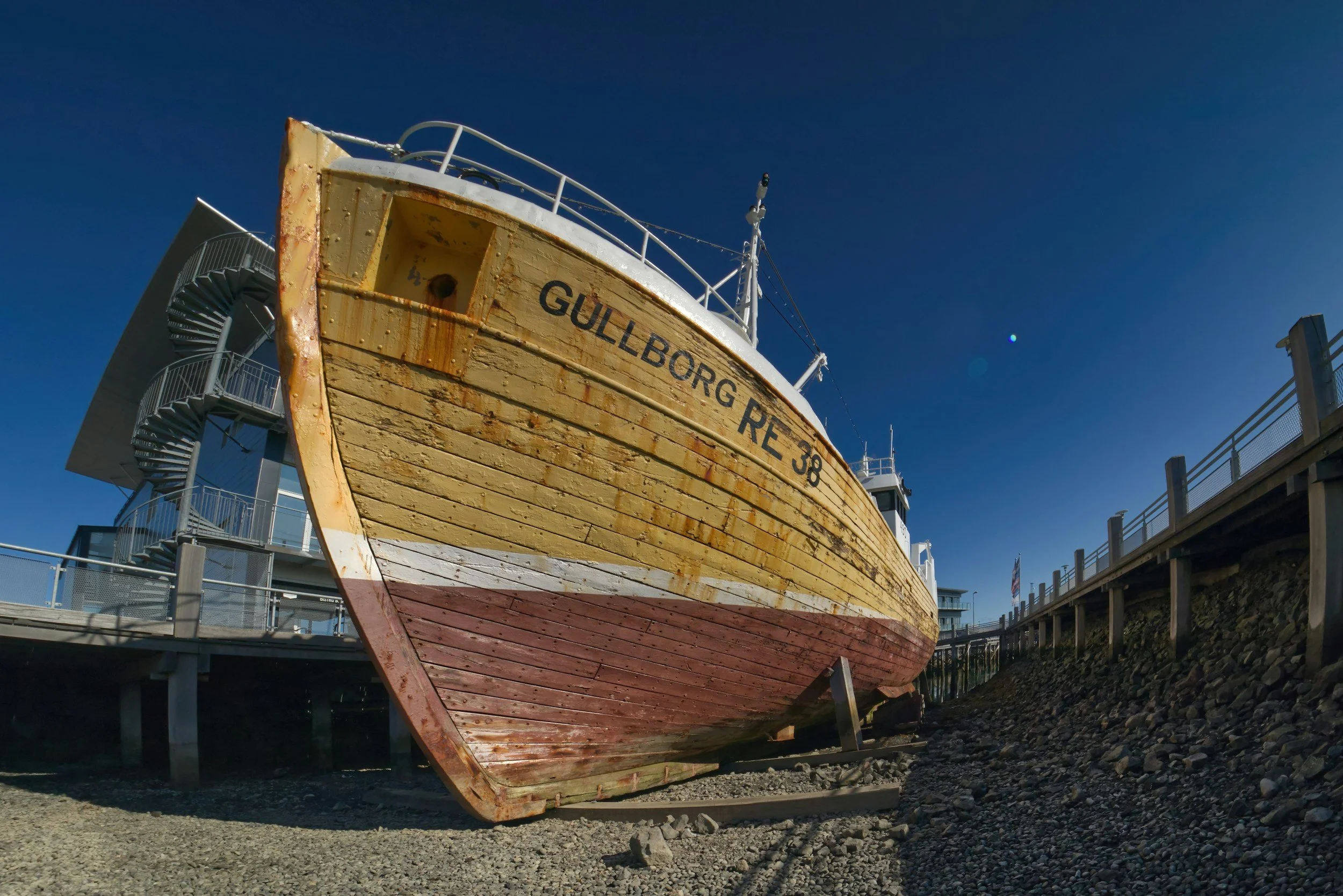
When a ship is placed in dry dock, something strange happens:
The captain is still the captain.
The crew is still the crew.
The ship is still the ship.
Even if there’s a massive hole in the hull, it doesn’t affect the ship’s performance—because it’s not meant to perform there. Dry dock isn’t failure. It’s repair and recommissioning. It’s not the end of the journey—it’s a pause for the sake of the journey.
1. Design Determines Purpose
A ship may be safest in the harbor, but that is not its design.
Ships are not built for:
• Stillness
• Preservation
• Comfort
They are built for:
• Movement
• Resistance
• Mission
Likewise, the Church was never designed merely to exist—it was designed to be sent.
“As the Father has sent Me, I also send you.” (John 20:21)
Safety is not the Church’s calling. Faithfulness is.
2. Dry Dock Is Not Abandonment—It Is Intentional Withdrawal
Dry dock does not mean the ship has been retired.
It means it is valuable enough to repair.
No one dry docks a ship they plan to scrap.
In dry dock:
• Hidden damage is exposed
• Barnacles are removed
• Weak plates are reinforced
• Systems are tested
The ship is temporarily removed from the water so it can survive the water later.
“For the Lord disciplines the one He loves.” (Hebrews 12:6)
Discipline is not rejection—it’s investment.
3. In Dry Dock, Identity Is Not Lost
While dry docked:
• The captain doesn’t lose authority
• The crew doesn’t lose calling
• The ship doesn’t lose identity
Performance pauses—but purpose does not.
The Church may not always be advancing outwardly, but God is often doing His deepest work inwardly.
“Be still, and know that I am God.” (Psalm 46:10)
Stillness is not inactivity—it is attentiveness.
4. Holes in the Hull Don’t Disqualify the Mission
A damaged hull doesn’t mean the ship failed—it means it survived something.
And God does not shame survival.
Dry dock is where:
• Cracks are acknowledged
• Structural integrity is restored
• Future storms are anticipated
“My grace is sufficient for you, for My power is made perfect in weakness.” (2 Corinthians 12:9)
The hole that could have sunk the ship becomes the reason it is strengthened.
5. Reformation Requires Removal from the Water
Reformation never happens at full speed.
Moses was removed from Egypt before leading Israel.
David was pulled from the palace into caves.
Elijah was hidden by a brook.
Paul spent years in obscurity after Damascus.
Jesus Himself withdrew often.
“He often withdrew to lonely places and prayed.” (Luke 5:16)
Withdrawal is not retreat—it is realignment.
6. Dry Dock Is About Longevity, Not Optics
The world values:
• Visibility
• Momentum
• Applause
God values:
• Integrity
• Faithfulness
• Endurance
Dry dock isn’t impressive—but it is essential.
“Unless the Lord builds the house, the builders labor in vain.” (Psalm 127:1)
Better to pause and repair than to sail fast toward collapse.
7. The Church Is Not Idle—It Is Being Prepared
A dry dock season is when God asks:
• Are we structurally sound?
• Are we aligned with our mission?
• Can we carry what we are praying for?
Because you don’t upgrade a ship at sea.
You prepare it before the next assignment.
Closing Exhortation
Church, if you feel dry docked:
You are not forgotten.
You are not finished.
You are not failing.
You are being prepared for waters you have not yet entered.
The harbor is not our home.
Dry dock is not our destiny.
The sea still awaits.
“He who began a good work in you will carry it on to completion.” (Philippians 1:6)
Final Line (Optional Refrain)
“Dry docked is not done—it’s designed preparation for divine assignment.”